
Branding: The Foundation Element Behind Your Marketing
Our name comes from a simple idea: marketing is made up of many different elements, strategy, branding, advertising, media, creative, public relations, data, and analytics, and when those elements work together, they create powerful results. Of all of them, branding is the one we call the foundation element, and it's usually the one businesses underinvest in first.
That's not a coincidence. Branding doesn't show up in a weekly report the way an ad campaign does. You can't point to a single number and say "branding did that." But it quietly determines how well every other dollar you spend performs. Here's why, and what it actually takes to get it right.
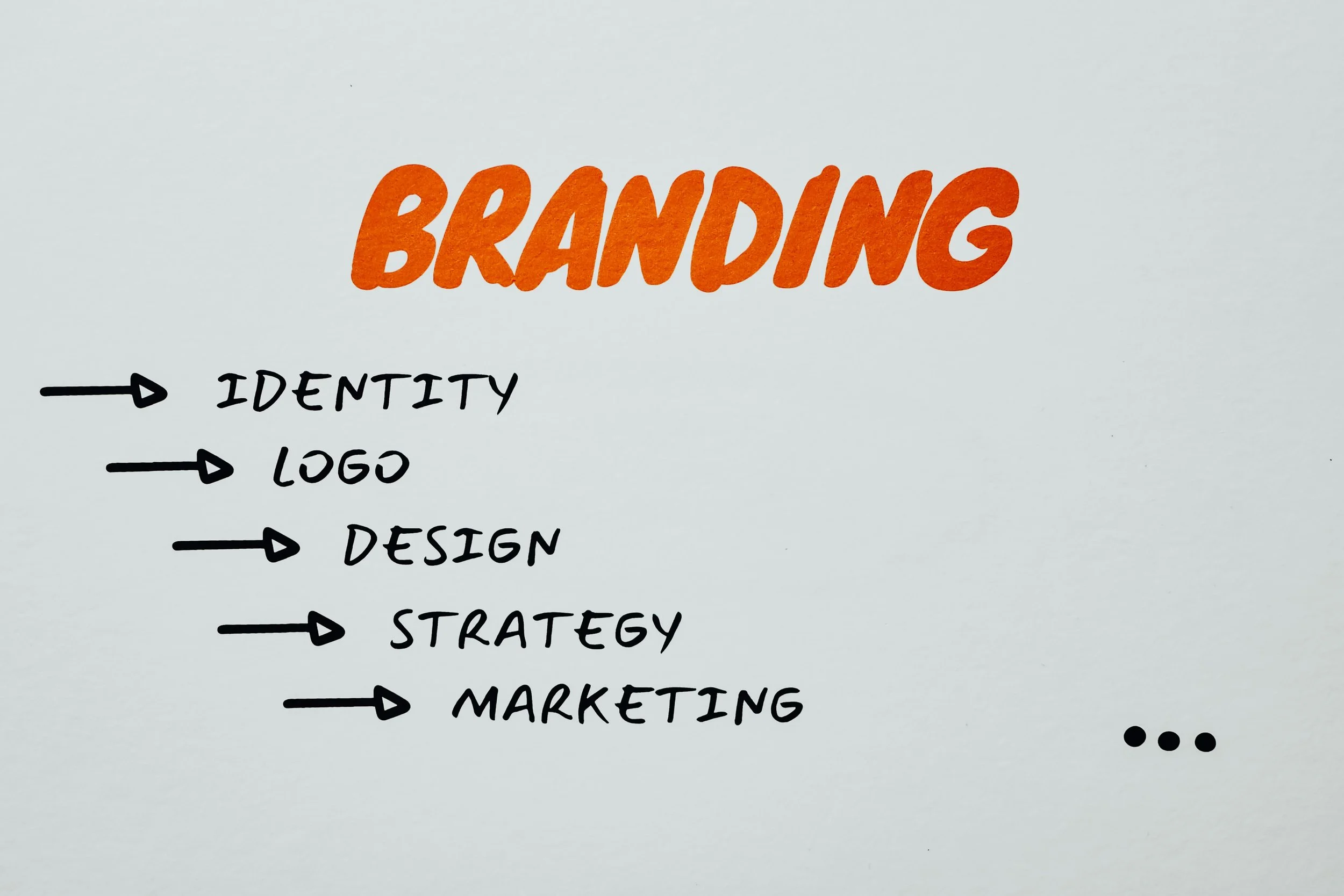
What is Branding
Ask most business owners what branding means and you'll get "a logo." That's part of it, but it's the smallest part.
Branding is the complete, consistent identity of your business: your logo and color palette, yes, but also your typography, your tone of voice, the way you talk about what you do and why you're different, and the experience someone has interacting with you across every single touchpoint, your website, your social media, your ads, your signage, even how your team answers the phone. A logo is an asset. Branding is your system.
That distinction matters, because a lot of businesses have a logo without having a brand. They have a nice-looking icon that shows up nowhere consistently, next to a website that uses different colors, social media that looks like a completely different company, and messaging that changes depending on who wrote the last post.
Why It's Called the Foundation Element
Every other marketing channel performs in proportion to how strong and consistent your brand is underneath it.
Run a paid ad campaign with a weak or inconsistent brand behind it, and you're paying to send traffic to something that doesn't build recognition or trust, so you're starting from zero with every single click. Run the same budget behind a strong, consistent brand, and each touchpoint reinforces the last one, so the same customer who scrolled past your ad last week recognizes you this week, and that recognition is what turns a cold click into an actual lead.
Businesses that present their brand consistently across every channel tend to see a meaningful revenue lift, with a number of industry studies putting the impact somewhere in the range of 20 to 30 percent compared to businesses with inconsistent branding. The mechanism behind that is straightforward: consistency builds recognition, recognition builds trust, and trust is what gets someone to choose you over a competitor, often before they've even compared prices.
That's the "foundation" part. Advertising, social media, your website, PR, they're all more effective, and often cheaper to run, when there's a strong brand underneath them doing the quiet work of making you recognizable and credible.
Who Needs Branding
So, who needs branding? Every business that wants to be remembered, not just recognized in the moment. It's easy to assume branding is only for large companies with big budgets, but the opposite is usually true: smaller and newer businesses have the most to gain, because they're the ones competing for trust against bigger, more established names. A solo contractor, a new restaurant, a growing dental practice, a local law firm, all of them are asking a stranger to choose them over someone else, often based on very little information. Branding is what gives that stranger a reason to remember you, trust you, and come back, whether you're a one-person operation or a company with a dozen locations.
What Happens When Businesses Skip It
We see the same pattern often: a business invests heavily in ads or a new website but skips real brand work, and the results underperform in ways that are hard to diagnose from the outside.
The most common symptom is inconsistency. The logo on the website doesn't match the one on the storefront sign. The colors on Instagram are different from the ones on the last set of flyers. The tone in one email is formal and the next is casual with no clear reason why. None of these individually seem like a big deal, but together, they make a business feel harder to trust and easier to forget, and they force a customer to work to recognize you across different places instead of instantly knowing it's you.
The second symptom is sounding like everyone else. Without clear positioning, a lot of businesses end up describing themselves the way their competitors do, which leaves price as the only real differentiator left. That's an expensive place to compete from, and it's usually a branding problem wearing a pricing costume.
The Core Pieces of a Brand Foundation
A real brand foundation covers a few specific things, and none of them require a massive budget to get right.
Positioning comes first: who you serve, what you do for them, and why you're different from the business down the street doing something similar. This is the thinking that everything else gets built on top of.
Visual identity follows: your logo, a defined color palette, typography, and general visual style, applied the same way everywhere it appears.
Voice and messaging matter just as much as the visuals: how you talk about your business, the words you use and avoid, and the tone that shows up consistently whether it's a social caption, a website page, or an email.
Finally, a simple brand guideline, even two or three pages, that documents all of the above so that anyone creating content for the business, whether that's an employee, a contractor, or an agency, is pulling from the same playbook instead of improvising every time.
That last piece is where a lot of businesses fall short even after doing the first three: Actually enforcing their own brand guideline. These are the ones who actually see.
Branding Isn't a One-Time Project
A brand isn't something you build once and forget. It evolves as your business grows, adds services, or shifts who it's trying to reach. The difference between a healthy evolution and a confusing one is whether that change happens intentionally, with the same underlying system, or piecemeal, with a new logo here and a different tone there, chipping away at the consistency that was working.
That doesn't mean starting over every couple of years. Most of the time it means a refresh: tightening up what's already working, updating what's fallen out of date, and making sure every channel is still speaking the same language.
How Branding Connects to Every Other Element
This is really the heart of why we built Limitless Elements around this idea. Branding isn't a separate service sitting next to the others, it's what makes the rest of them work harder.
Social media is more recognizable and more shareable when every post looks and sounds like it's coming from the same place. Digital and paid media perform better because ad creative that matches your brand builds recognition instead of starting cold with every impression. Your website converts more visitors when it delivers on the promise your branding made before someone ever clicked. Public relations lands more credibly when the story a reporter or partner tells matches the identity your audience already recognizes. Even traditional media, a radio spot or a TV commercial, only builds lasting recall if it's reinforcing the same identity someone might later see on your website or social feed.
None of these channels operate in isolation, and branding is the thread that ties them together.
What You Can Audit Your Brand, Right Now
You don't need an agency to start evaluating where you stand. Pull up your website, your social profiles, and any recent marketing materials side by side. Are the colors and logo the same everywhere? Not just the same shade of green, but the exact hexadecimal color code. Does the tone sound like it's coming from the same business? If you look at your facebook, instagram, tiktok, linked in are they all the same? Or does it look like it’s multiple businesses? If someone described your brand in one sentence, would your team all say roughly the same thing? Would your customers all say they had the same experience?
If the answer to any of those is "not really," that's not a small cosmetic issue, it's the foundation element showing cracks, and it's worth addressing before putting more budget behind the channels sitting on top of it.
The Bottom Line
Branding is easy to underinvest in because it doesn't show up as a line item with an immediate return the way an ad campaign does. But it's the multiplier sitting underneath every other channel you run. Get it right, and your advertising, social media, website, and PR all work harder for the same budget. Skip it, and you're asking every other channel to do more work than it should have to.
If you're not sure whether your brand is helping or quietly holding back the rest of your marketing, that's worth a conversation.
Contact Us
If you have any questions or are ready to build your brands foundation, fill out our contact form [Here] or give us a call for your free branding consultation (956) 929-4747
Limitless Elements is a data-driven marketing agency based in Garden Oaks/Oak Forest, Houston, TX, offering branding, web development, digital media, social media, public relations, and traditional media for businesses across the U.S. If you're ready to build a social media strategy that actually generates leads, reach out to start the conversation.
